

Industry Guide
Critical business services depend on electrical continuity that supports operations, communications, transactions, and facility control. In these environments, power distribution is not only about keeping equipment energized — it is about preventing disruptions that affect people, processes, customer service, and business continuity across active facilities.
- Operational environments that depend on continuous power
- Where electrical risk appears inside business-critical facilities
- Designing for continuity during maintenance and disturbances
- Failure scenarios that interrupt business operations
- Monitoring for visibility and faster response
- Where LayerZero® equipment fits
- Frequently asked questions
Operational Environments That Depend on Continuous Power
Critical business services span more than traditional data infrastructure. They include financial operations, enterprise campuses, communications systems, operational control rooms, distributed facility systems, and other environments where a loss of power becomes an immediate business problem rather than a delayed maintenance issue.
Financial & Transaction Environments
Banking, payments, settlement systems, and internal processing platforms depend on continuous electrical support for essential business functions.
Enterprise Operations
Corporate campuses, internal IT rooms, network spaces, and operational support systems rely on stable power to keep communication and business workflows moving.
Operations & Control Centers
Dispatch functions, communications platforms, coordination spaces, and continuity-focused operations depend on resilient power architecture and fault isolation.
Occupied Mission-Critical Facilities
In active buildings, electrical disturbances can affect not only equipment, but also people, service delivery, response time, and day-to-day operations.
Where Electrical Risk Appears Inside Business-Critical Facilities
In critical business environments, risk is not concentrated in a single room or load type. It appears across source transfer points, distribution rooms, floor-level panels, branch circuits, and localized equipment zones. The challenge is to control how electrical events move through the facility — and whether they become contained incidents or operational disruptions.
Source Transfer Points
Where utility disturbances, source changes, or backup transitions can affect downstream continuity.
Main Distribution Rooms
Where facility-wide faults, protection coordination issues, or maintenance actions can increase blast radius.
Critical Panels & Branch Distribution
Where operators need visibility, controlled expansion, and organized circuit delivery to critical zones.
Operational Equipment Zones
Where electrical problems become service interruptions, workflow disruption, or business continuity events.
Designing for Continuity During Maintenance and Disturbances
In critical business environments, reliable electrical design must support normal operations, abnormal conditions, and planned maintenance without creating unnecessary disruption. That means continuity is shaped by source strategy, transfer behavior, distribution layout, and how well the system supports maintenance access and fault containment.
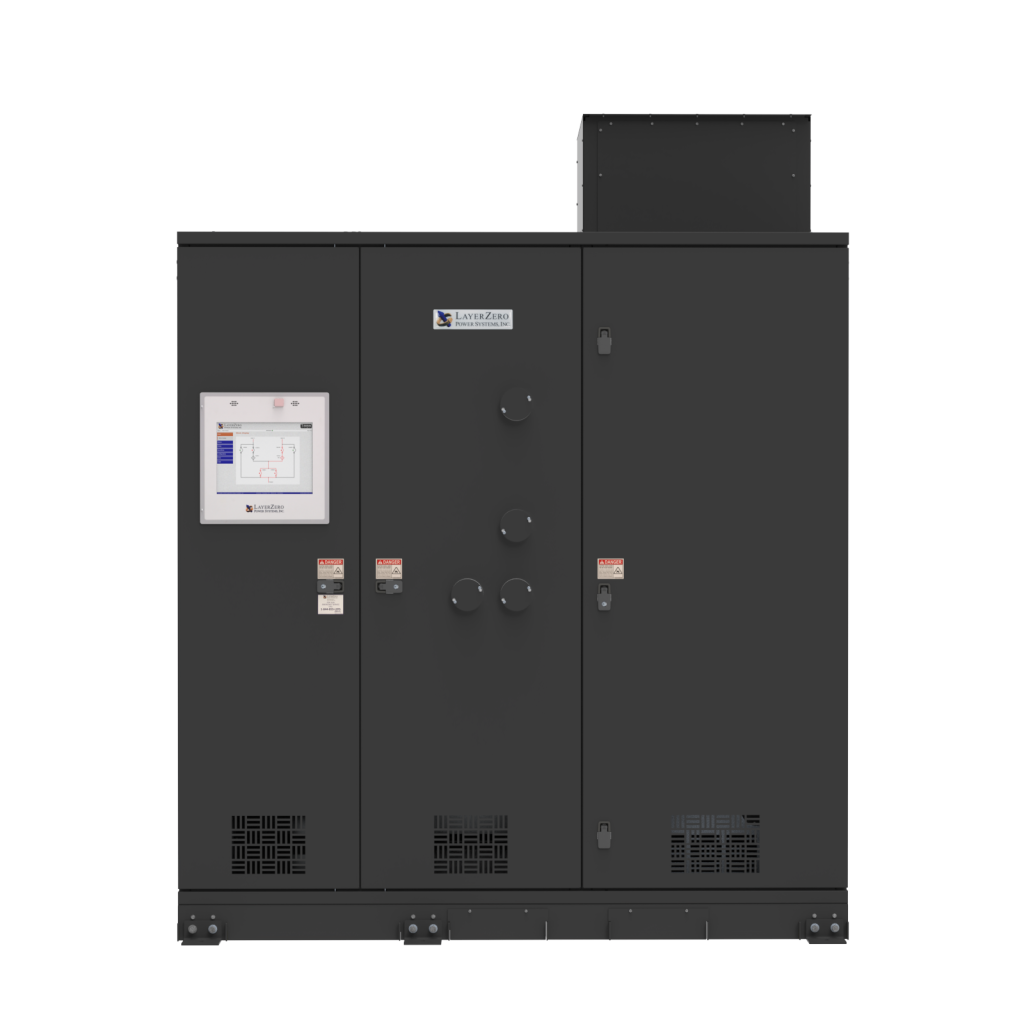
Source Continuity at the Point of Risk
Critical services often depend on the ability to shift between acceptable power sources when one source becomes unstable. Transfer strategy matters because the operational question is simple: does the downstream business function stay available?
- Supports continuity through source disturbances
- Helps reduce the operational impact of upstream events
- Important where outage tolerance is low
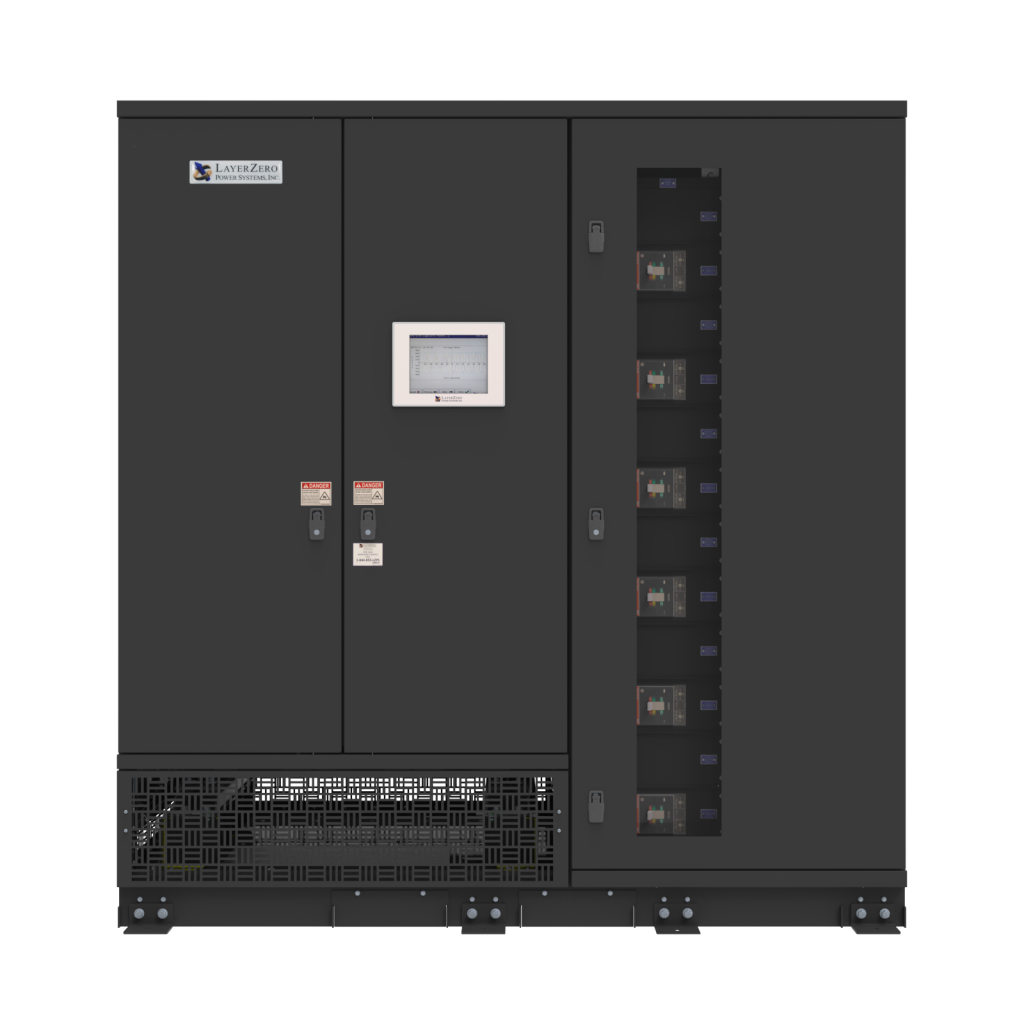
Localized Distribution Near Critical Loads
Power distribution decisions closer to the load influence serviceability, access, fault isolation, and operational control. In critical business facilities, these choices affect whether work can continue during troubleshooting or maintenance.
- Supports organized delivery to localized operational zones
- Improves access for maintenance and expansion
- Can reduce disruption during service events
Branch-Level Control in Distributed Facilities
In occupied, active, or distributed environments, branch circuit organization matters. Operators need a clear way to manage critical circuits, understand loading, and expand capacity without turning simple changes into larger business disruptions.
- Supports organized branch circuit delivery
- Improves control over critical downstream loads
- Helps growth occur in a more controlled way
Failure Scenarios That Interrupt Business Operations
Many costly disruptions in business-critical facilities are caused by predictable electrical failure patterns: hidden single points of failure, transfer assumptions that are never validated, overloaded downstream distribution, or maintenance activities that expose too much of the facility at once.
Hidden Single Points of Failure
A facility may appear resilient at a high level while still relying on a single downstream component or panel that can interrupt essential services if it fails.
- Critical services routed through one vulnerable distribution point
- Insufficient segmentation of operational loads
- Redundancy that exists on paper but not in practice
Maintenance That Creates Business Risk
Maintenance should not turn into a continuity event. Poor access, unclear procedures, or inadequate distribution flexibility can make ordinary service work more disruptive than it needs to be.
- Work that requires broad shutdowns
- Limited downstream isolation options
- Operational teams forced into temporary workarounds
Transfer Events With Downstream Consequences
Source transitions and disturbances can create problems when downstream systems are sensitive, poorly isolated, or not aligned with expected transfer behavior.
- Critical systems react poorly to source changes
- No clear evidence captured during the event
- Operations teams cannot quickly determine what happened
Capacity Growth Without Visibility
Critical business environments evolve over time. Without circuit-level visibility, small expansions can create overload risk, imbalance, or unclear utilization across important operational zones.
- Branch loading grows unnoticed
- Expansion exceeds original assumptions
- Operators lose confidence in available headroom
Monitoring for Visibility and Faster Response
In critical business facilities, monitoring is part of operational resilience. Teams need visibility into circuit loading, electrical events, and downstream conditions so they can make informed maintenance decisions, reduce overload risk, and shorten the time required to diagnose service-affecting problems.
Why visibility matters
When a disturbance affects a business-critical environment, operators need evidence. They need to know what changed, where the event originated, and how far it propagated. Monitoring turns uncertainty into actionable information.
- Supports more confident maintenance planning
- Helps identify overload trends before they become incidents
- Improves troubleshooting during abnormal electrical events
- Provides context for after-action review and resilience planning
Branch Circuit Monitoring
Visibility into downstream circuits helps teams understand utilization, identify loading concerns, and manage growth across critical operational zones.
Power Quality Evidence
Event capture and waveform visibility help determine whether electrical disturbances contributed to service interruption, instability, or equipment behavior.
Where LayerZero® Equipment Fits in Critical Business Services
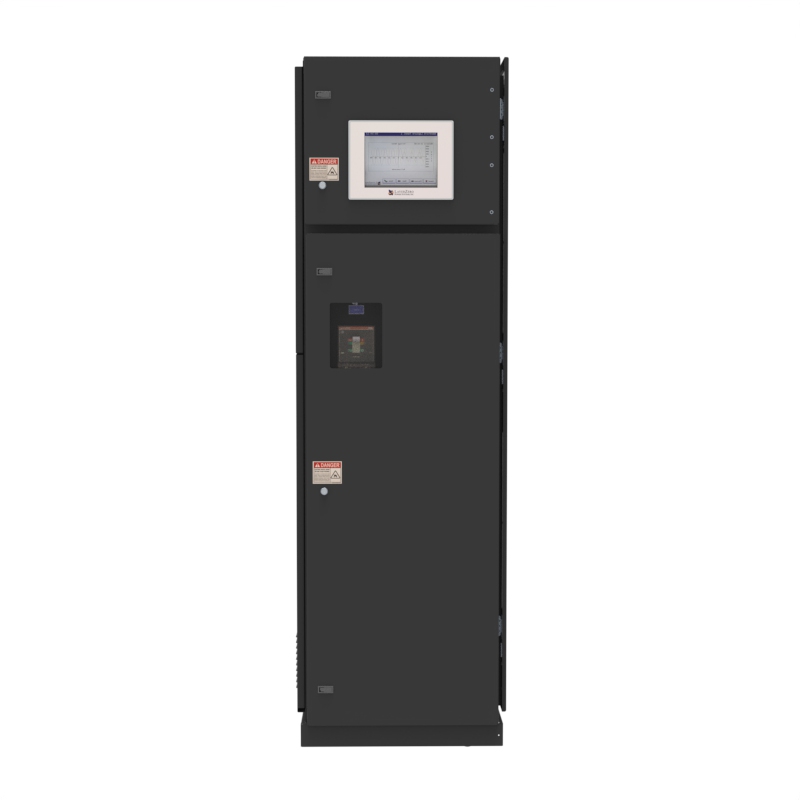
LayerZero® equipment supports continuity, control, and visibility near the points where electrical issues become operational problems: eSTS for source continuity, ePODs for localized distribution, eRPP for organized branch control, and eRDP for structured subfeed deployment.
eSTS Static Transfer Switches
Used where source continuity matters and fast transfer behavior can help reduce the likelihood that upstream disturbances interrupt critical business functions.
ePODs Power Distribution Units
Provide organized downstream power distribution where serviceability, access, and operational visibility influence continuity outcomes.
eRPP Remote Power Panels
Support branch circuit organization and controlled expansion in facilities with distributed operational loads.
eRDP Remote Distribution Panels
Help organize subfeed distribution where consistent downstream deployment and clearer operational control are important.
Frequently Asked Questions
What are critical business services?
Why is power distribution important in these environments?
What makes this different from a typical data center application?
Where do static transfer switches fit?
Why does monitoring matter in business-critical facilities?
Let’s Talk
Planning electrical infrastructure for critical operations, continuity-focused facilities, financial environments, or distributed business-critical loads?
Contact LayerZero Sales