


Industry Guide
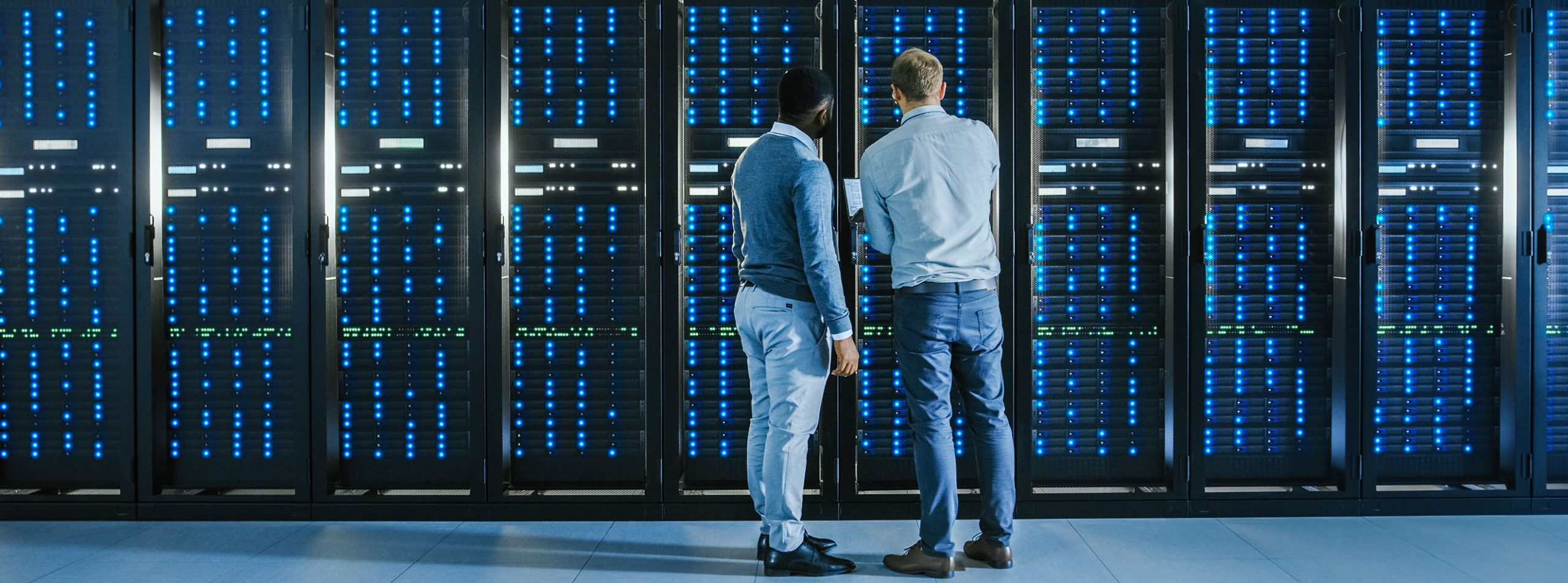
Data center power distribution is the electrical distribution architecture that delivers conditioned, redundant power from the service entrance to the IT load inside server racks. The goal is simple: maintain uptime while enabling maintenance, growth, and real-time visibility across the power path.
- Architecture: upstream → facility systems → IT load
- Distribution layers inside the data hall
- Redundancy goals and design patterns
- Monitoring: branch circuits and power quality
- Common failure modes that create downtime
- What to specify for reliable operations
- Frequently asked questions
- Where LayerZero® fits
Data Center Power Distribution Architecture
Upstream systems define the power events you must tolerate. Facility systems condition and protect the electrical path. Data hall distribution determines whether those events become downtime — or a contained, diagnosable incident at the rack.
Distribution Layers Inside the Data Center
Distribution inside the data hall is typically organized into operational layers. Each layer is responsible for delivering power, managing capacity, and isolating faults without taking the IT load down.
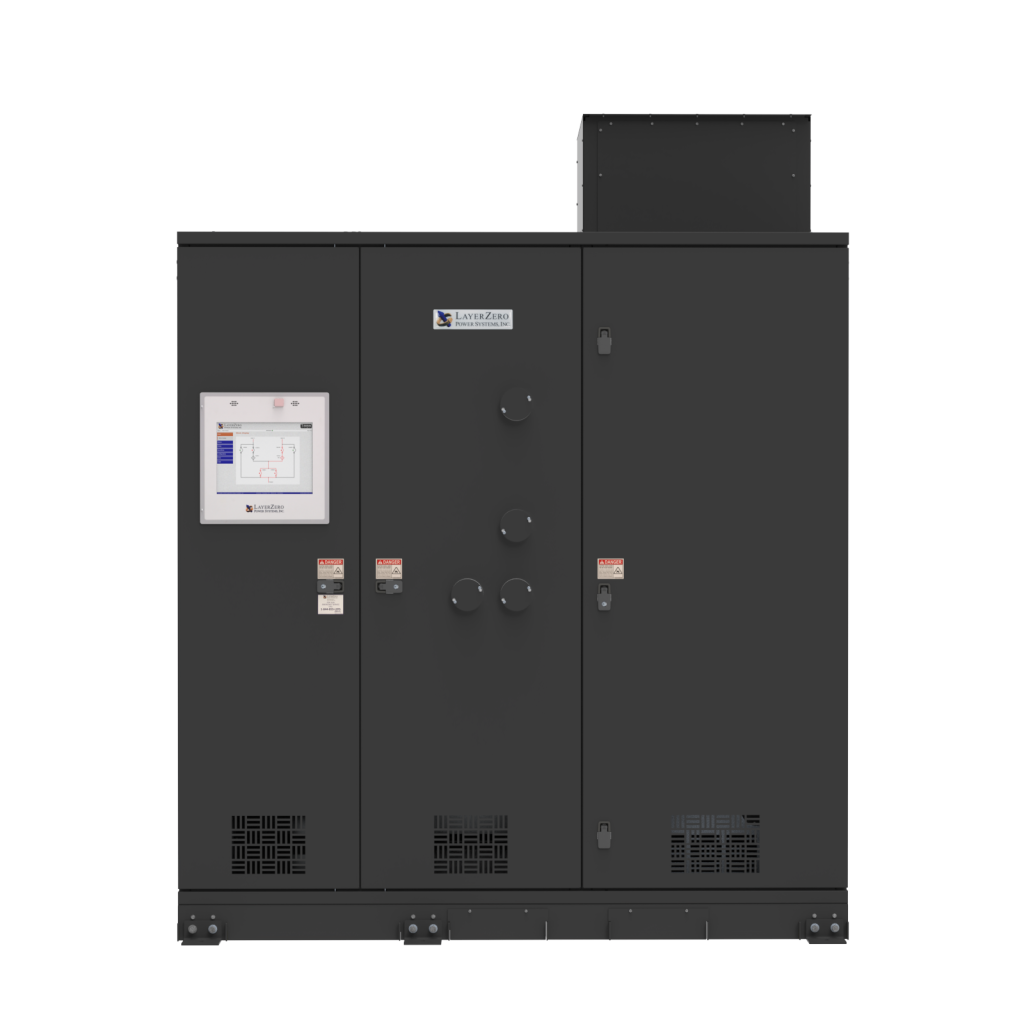
Source Selection & Redundancy (STS)
Static transfer switches support redundant source architectures by transferring critical loads to the healthiest source during disturbances. This layer is often used to limit the impact of upstream events on sensitive IT equipment.
- Supports A/B power distribution for dual-corded IT loads
- Transfer strategy designed to reduce downstream disruption
- Improves fault containment at the point of use
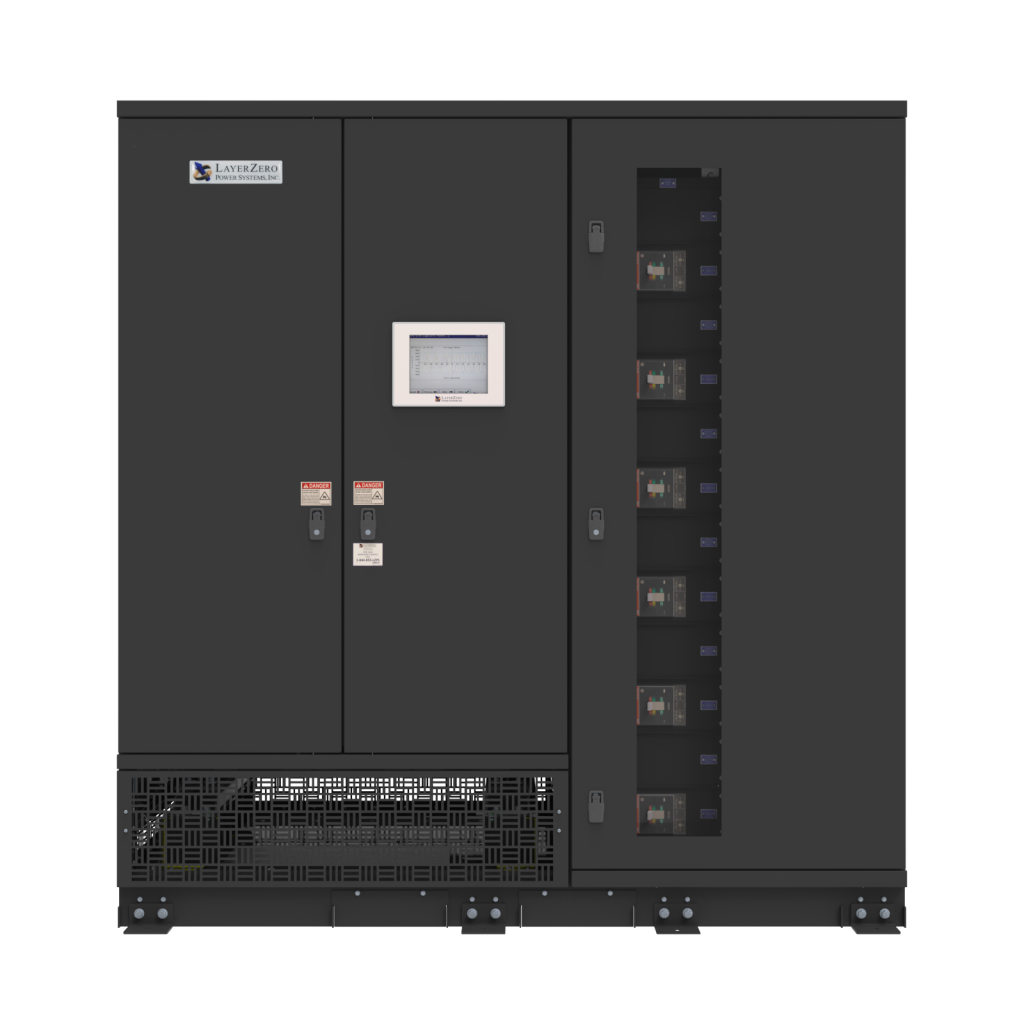
Cabinet Distribution (PDU)
PDUs turn upstream capacity into cabinet-level distribution. In modern facilities, serviceability and monitoring decisions here directly affect operations, maintenance time, and uptime outcomes.
- Distribution designed for dense data hall layouts
- Monitoring options to support capacity management
- Service procedures and access strategy matter at scale
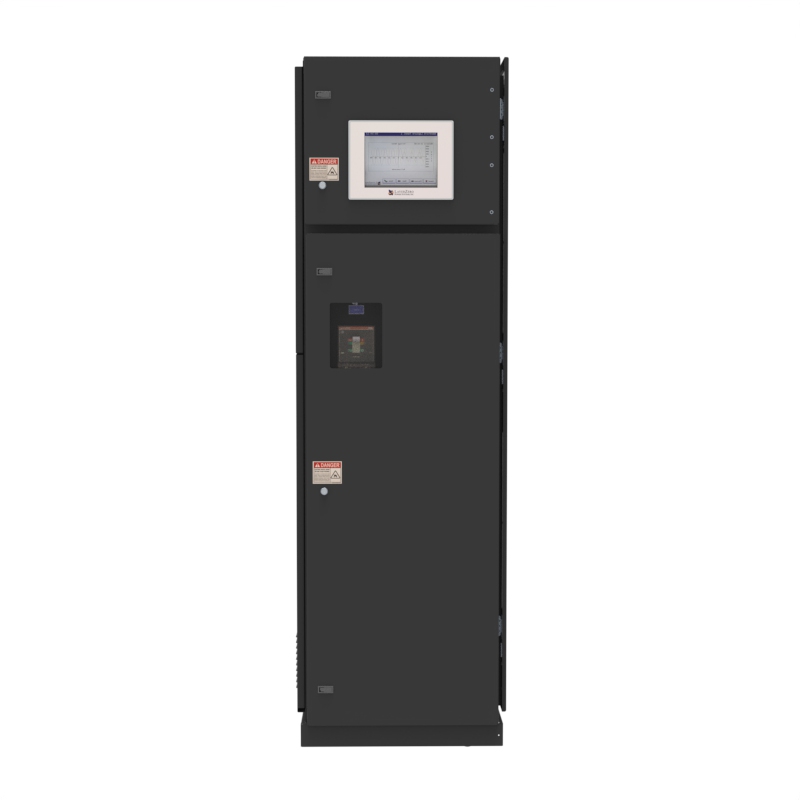
Branch Circuit Distribution (RPP)
Remote Power Panels distribute power into branch circuits across rows and zones. This layer is about organized circuit delivery, operational control, and supporting day-to-day capacity planning.
- Structured branch circuit delivery to rows and cabinets
- Supports operational control and scalable expansion
- Enables monitoring aligned to operations
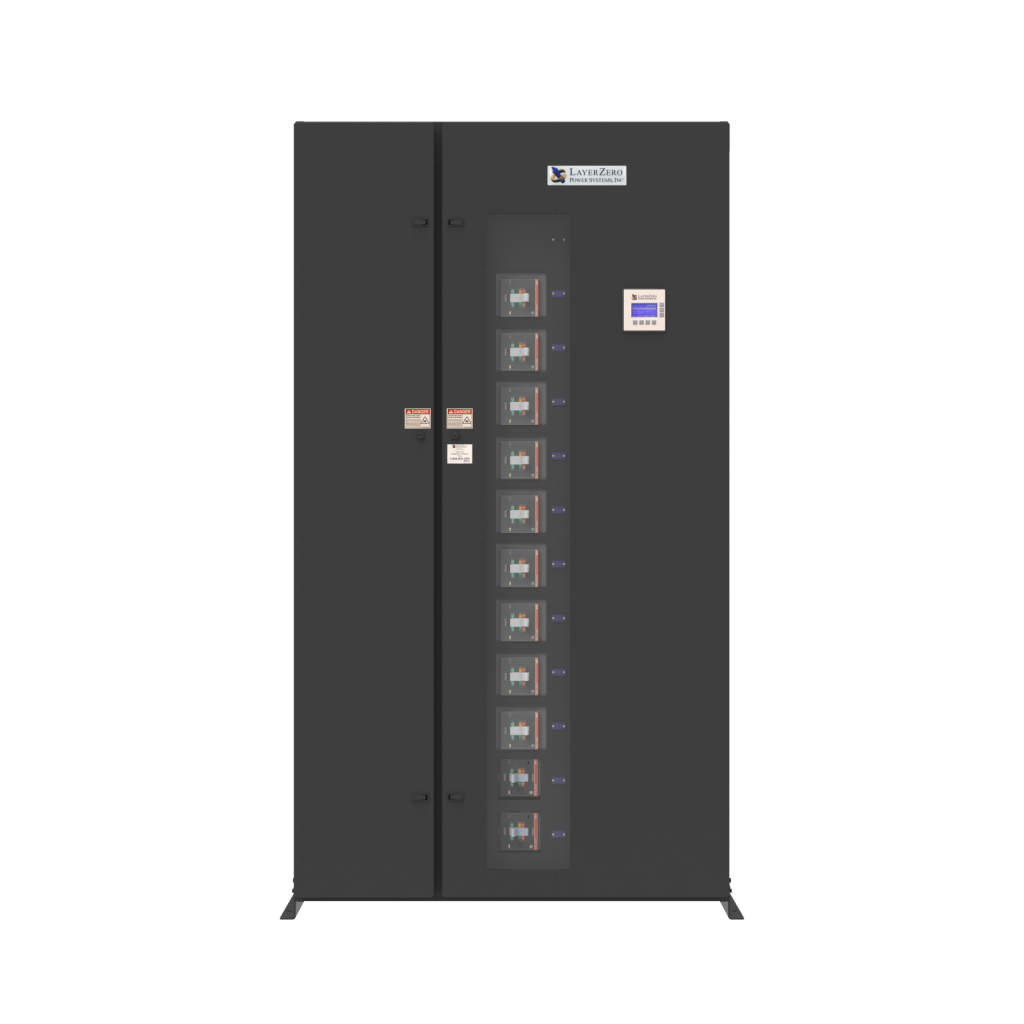
Subfeed Distribution (RDP)
Remote Distribution Panels support subfeed distribution and localized delivery strategies — often used when operators need organized feeds, consistent deployment patterns, and visibility aligned with high-density layouts.
- Organized subfeed delivery near the IT load
- Designed for scalable deployment patterns
- Supports monitoring approaches that reduce time-to-diagnosis
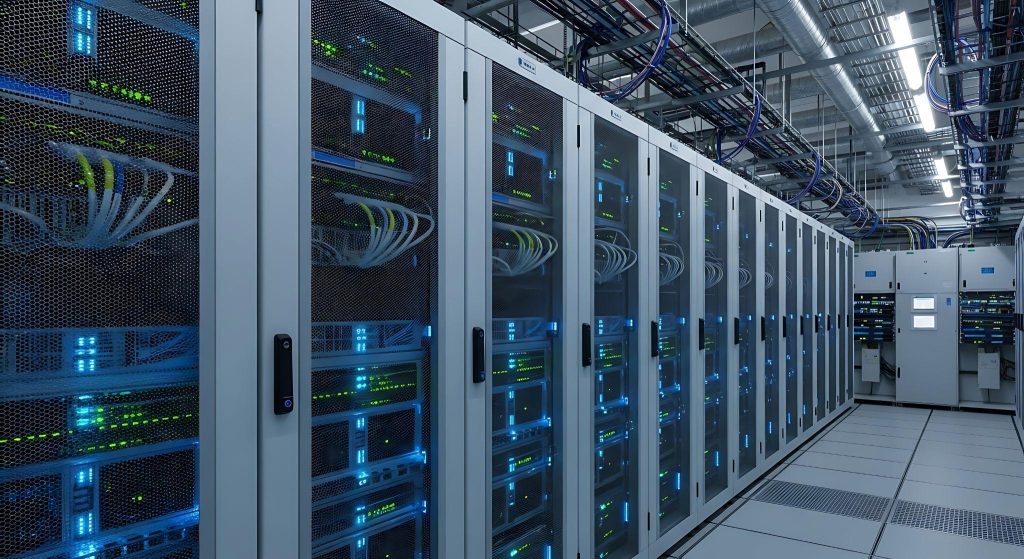
Rack-Level Delivery (IT Load)
The rack is where reliability is experienced: stable voltage, predictable transfer behavior, and actionable diagnostics when events occur. Good design delivers operability under real conditions.
- Dual power supplies + independent feeds for resilience
- Load balancing and capacity planning depend on visibility
- Faster root cause analysis when events are captured and contextualized
Redundant Power Architectures
High-availability data centers are designed so faults can be isolated and maintenance can occur without interrupting the IT load. While topologies vary, the operational goals are consistent.
Independent A/B Paths
Separate paths reduce the blast radius of faults and enable maintenance without full shutdowns.
Dual-Corded IT Loads
Dual power supplies allow servers to remain online if one feed is interrupted or serviced.
Transfer Strategy
Transfer behavior must avoid downstream disturbances and should be diagnosable when it occurs.
Concurrent Maintainability
Design so any single component can be serviced while the IT load remains operational.
Monitoring and Visibility
Monitoring is what turns electrical capacity into an operable system — enabling capacity planning, early detection of overload risk, and faster troubleshooting when events occur.
Branch Circuit Monitoring
- Identify overloaded circuits early
- Track real-time capacity utilization
- Reduce nuisance trips and thermal risk
- Support growth decisions with measured data
Power Quality Monitoring
- Detect voltage sags/swells, transients, harmonics
- Capture waveforms during events for diagnostics
- Correlate events to IT tolerance (e.g., ITIC)
- Reduce time-to-resolution by preserving evidence
Common Failure Modes in Data Center Power Distribution
Many outages aren’t caused by a single “bad component” — they’re caused by predictable failure modes that show up when load density rises, redundancy assumptions aren’t validated, or monitoring doesn’t match operational needs.
Coordination Gaps and Nuisance Trips
Poor selective coordination can turn a local issue into a wider impact. Breakers may trip in an unintended sequence, expanding the affected area and increasing recovery time.
- Misaligned trip curves across protective devices
- Unexpected upstream trips during a downstream fault
- Inconsistent labeling and incomplete one-lines
Redundancy Assumptions That Don’t Hold Under Load
A/B architectures depend on the assumption that either path can carry the intended load. If loads drift, growth exceeds the model, or one side operates consistently hotter, redundancy becomes theoretical.
- Imbalanced A/B loading over time
- Insufficient headroom during maintenance states
- Inadequate validation of “single path” capacity
Transfer Events That Become IT Incidents
Transfers that are not predictable or not well understood can show up as IT instability. Even when the power system behaves “as designed,” the downstream outcome may still be a service-impacting event if tolerances aren’t matched.
- Unclear ride-through expectations at the rack
- Disturbances during source changes or recovery states
- Event data not captured for after-action diagnosis
Monitoring Blind Spots That Elongate MTTR
When an event happens, teams need evidence: what changed, where it started, and how it propagated. Blind spots force guesswork, delaying root cause analysis and increasing time-to-restore.
- No circuit-level visibility where growth is occurring
- No waveform/event capture during disturbances
- Data not centralized or not aligned to ops workflows
Note: This is not tied to a single product — it’s about having the right monitoring depth (branch/subfeed/power quality) and retaining event evidence when it matters.
What to Specify in Data Center Power Distribution
Topology + Transfer Assumptions
Document A/B intent, transfer expectations, and what constitutes an acceptable disturbance at the rack.
Monitoring Requirements
Define where you need branch/subfeed monitoring, and how events are captured, retained, and reviewed.
Maintainability Constraints
Access strategy, clearance, breaker procedures, and service methods should be validated early — before buildout.
Growth Model
Plan for density increases: modular distribution, spare ways, spare breakers, and expansion without downtime.
Frequently Asked Questions
What is data center power distribution?
How does power reach servers inside a data center?
What is A/B power distribution?
What is a PDU in a data center?
What’s the difference between an RPP and an RDP?
Why are static transfer switches used in data centers?
LayerZero® Equipment for Data Center Power Distribution
LayerZero® designs data hall distribution equipment that protects uptime and improves operability near the IT load: eSTS for source selection, ePODs for cabinet distribution, eRPP for branch circuit distribution, and eRDP for subfeed distribution strategies.
eSTS Static Transfer Switches (STS)
Fast source transfer for dual-feed architectures — supporting continuity when one source experiences a disturbance.
Explore eSTS →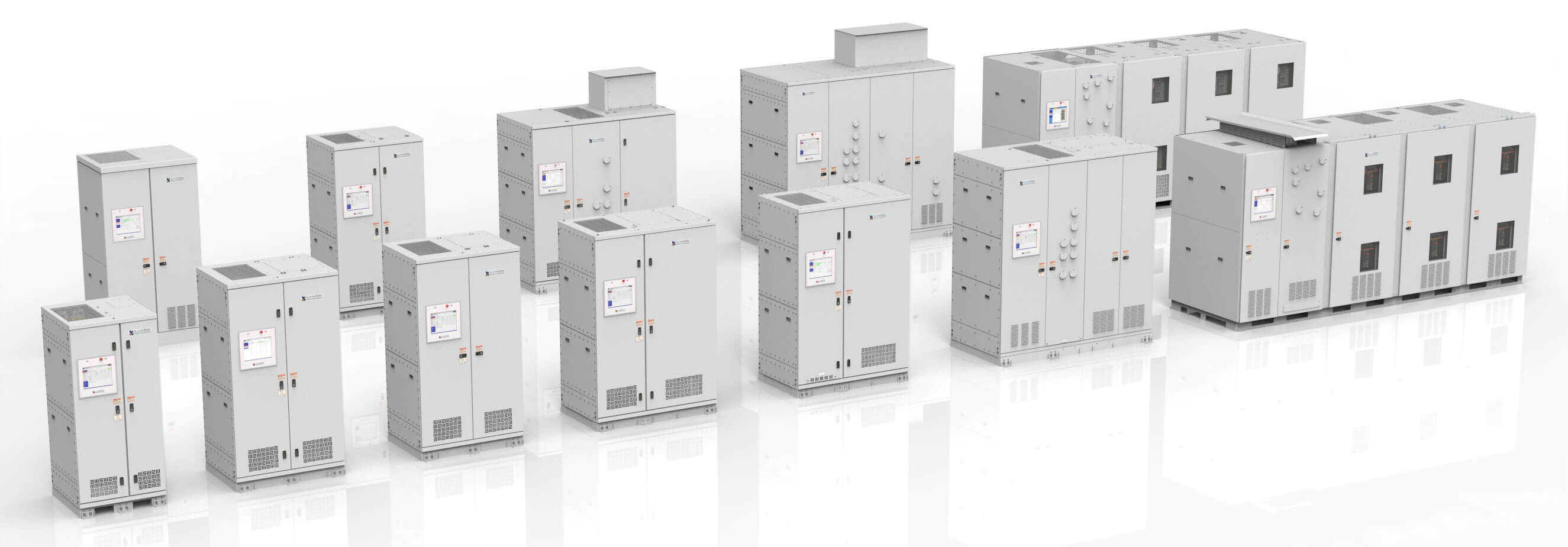
ePODs Power Distribution Units (PDUs)
Cabinet-level distribution that converts upstream capacity into manageable outputs — with options for monitoring and serviceability.
Explore ePODs →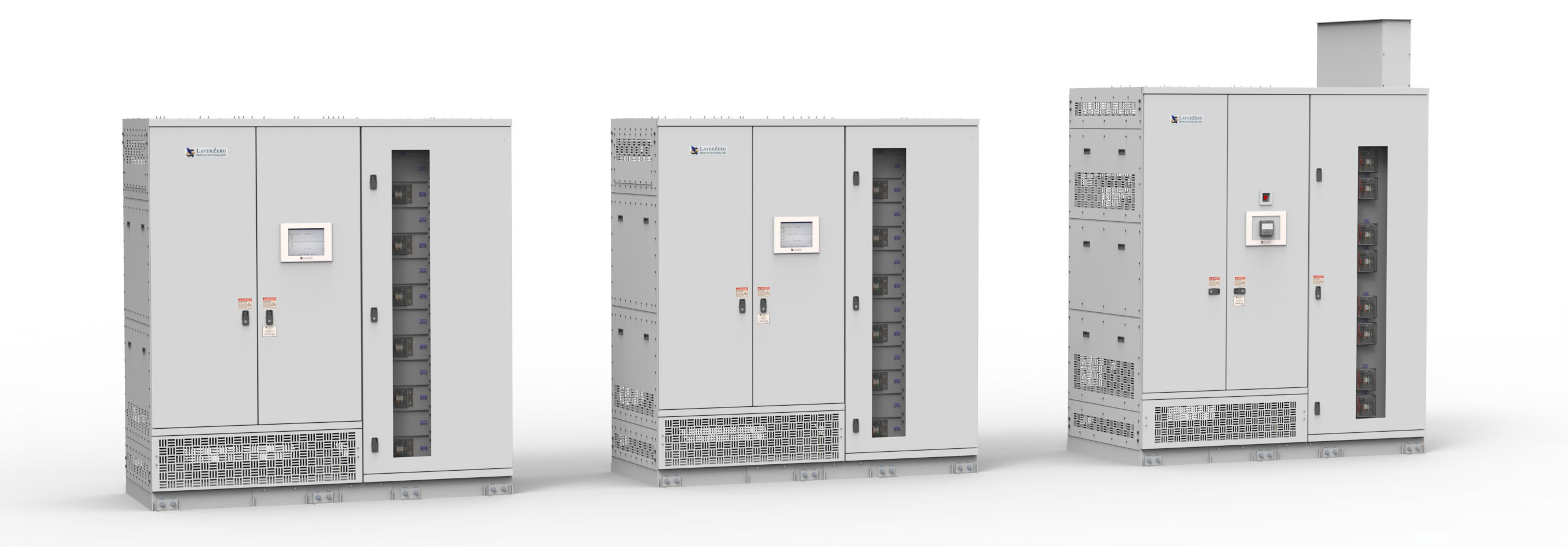
eRPP Remote Power Panels (Branch Distribution)
Row-level branch circuit distribution that improves operational control and capacity planning across the data hall.
Explore eRPP →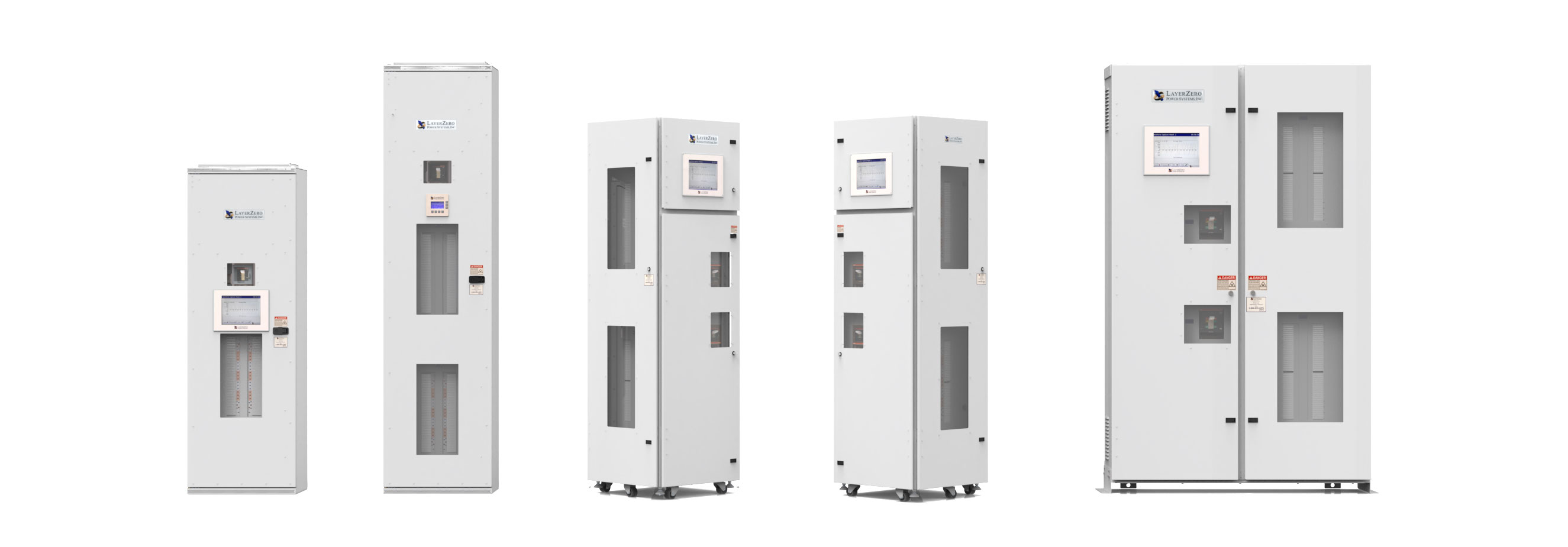
eRDP Remote Distribution Panels (Subfeed Distribution)
Subfeed distribution strategies designed for consistent deployment patterns and visibility aligned to high-density layouts.
Explore eRDP →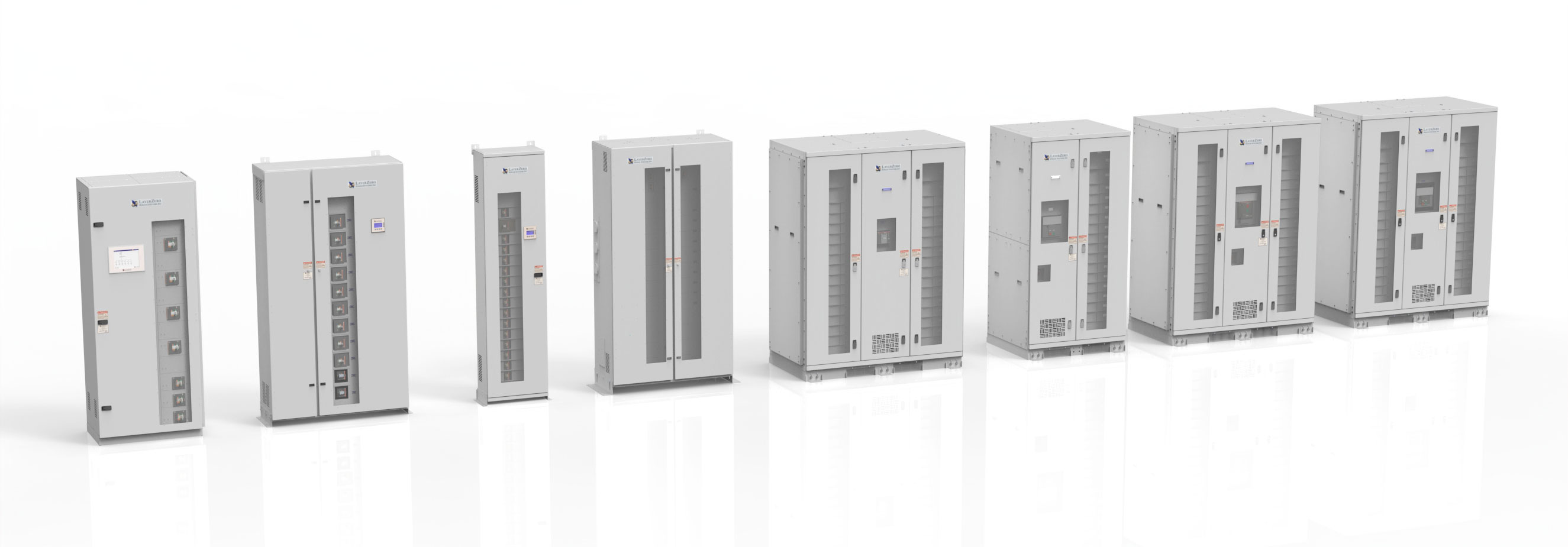
Let’s Talk
Planning a new data hall, colo buildout, edge deployment, or DR site?
Contact LayerZero Sales